


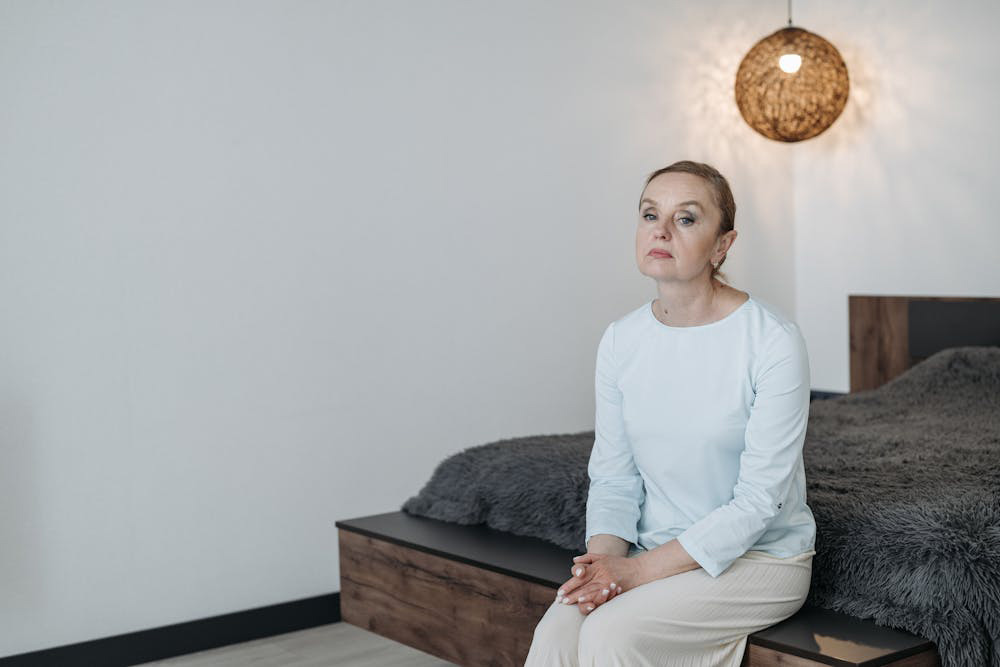
Many women expect perimenopause to bring physical symptoms like hot flashes, irregular periods, and sleep disturbances. While those are often part of the experience, it might surprise you when this stage of your life begins encroaching on your mental and emotional well-being.
If you feel more anxious, irritable, overwhelmed, or emotionally sensitive than usual, you’re not imagining it. Perimenopause is a significant hormonal transition that can affect everything from your mood and energy levels to your stress tolerance and self-esteem. These changes can be especially challenging if you have a history of trauma, anxiety, depression, or substance use.
A complex interaction of biological, psychological, and social factors affects women’s mental health. Understanding how perimenopause influences you can help you approach this phase of life with self-compassion.
What Is Perimenopause?
Perimenopause is the transitional period leading up to menopause. As you get older, your ovaries will gradually decrease the amount of estrogen and progesterone they produce, causing your hormone levels to fluctuate unpredictably.
Perimenopause can last several years before menopause, which occurs once you’ve gone 12 consecutive months without a menstrual period. While physical symptoms often receive the most attention, the emotional and psychological effects can be just as disruptive.
Why Hormonal Changes Affect Mental Health
Besides regulating your reproductive health, hormones also act on neurotransmitters called serotonin and dopamine, which affect your mood, motivation, sleep, and emotional regulation.
As estrogen and progesterone fluctuate, some women experience:
- Increased anxiety
- Mood swings
- Irritability
- Difficulty concentrating
- Fatigue
- Low motivation
- Depression
- Heightened emotional sensitivity
During this phase, minor stressors may feel overwhelming and formerly manageable situations may suddenly seem exhausting. These reactions are often the result of biological changes occurring throughout your body and brain.
Anxiety During Perimenopause
Anxiety is one of the most frequent mental health concerns associated with perimenopause. Excessive worrying, racing thoughts, unpredictable panic attacks, restlessness, difficulty relaxing, and feeling constantly on edge can be baffling if you’ve never struggled with anxiety before. If you already live with an anxiety disorder, you may notice your symptoms intensifying during this time. Sleep disruptions, which are also common during perimenopause, can further amplify your anxious feelings.
Depression and Emotional Changes
Fluctuating hormone levels can contribute to depression or worsen existing depressive symptoms. You may notice:
- Persistent sadness
- Loss of interest in formerly enjoyable activities
- Feelings of hopelessness
- Emotional numbness
- Increased crying
- Social withdrawal
Many women experience significant life transitions during perimenopause, such as becoming an empty nester or assuming caregiving responsibilities for aging parents. The combination of hormonal shifts and life stressors can create a perfect storm for emotional distress.
The Overlap Between Perimenopause and Substance Use
You might start drinking alcohol more frequently during perimenopause to cope with stress, anxiety, sleep problems, or emotional discomfort. While drinking may provide temporary relief, it often exacerbates issues such as insomnia, anxiety, depression, and mood swings.
Perimenopause can also create new challenges for women in recovery. Increased sensitivity and stress may elevate your relapse risk if you lack healthy coping skills. That’s why emotional wellness remains a cornerstone of long-term sobriety.
Trauma and Perimenopause
In many cases, unresolved emotional issues resurface during midlife. Experiences that seemed manageable for years may intensify without warning. Researchers are still working to understand why hormonal fluctuations may make it harder to suppress painful emotions and memories.
Women with histories of trauma, domestic violence, bullying, coercive control, sexual assault, and emotional abuse may find perimenopause especially challenging. However, it can be helpful to reframe this time in your life as an opportunity for healing and growth.
Protecting Your Mental Health During Perimenopause
While you cannot prevent hormonal changes from occurring, there are many ways to support your emotional well-being during this transition.
- Prioritize sleep: Sleep is one of the most powerful tools for emotional regulation. Establishing consistent sleep habits can reduce anxiety, improve your mood, and increase your resilience.
- Stay physically active: Regular movement supports physical and mental health by relieving stress and regulating your sleep cycle.
- Build a support system: You do not have to go through perimenopause alone. Trusted friends, family members, therapists, and recovery peers can provide valuable encouragement and perspective.
- Practice self-compassion: Many women become frustrated with themselves during this stage of life. Instead of criticizing yourself for being moody, fatigued, or irritable, try honoring the transition your body and mind are adapting to.
- Seek professional help: If perimenopause symptoms interfere with your relationships, work, sobriety, or quality of life, a qualified therapist can help you develop coping strategies, process difficult emotions, and address underlying issues that may contribute to your distress.
Help Is Within Your Reach
Perimenopause can profoundly affect your mental health, but many women suffer in silence because they assume they should push through it. You do not have to minimize your struggles or put on a brave front while struggling internally.
At The Pearl, we recognize that women face unique challenges throughout every stage of life. Our trauma-informed, women-centered approach addresses the emotional, psychological, and behavioral factors that contribute to lasting wellness and recovery.
We are here for you if you struggle with your mental health, substance use, or the emotional challenges of perimenopause. Reach out today to contact our boutique women’s health retreat.