


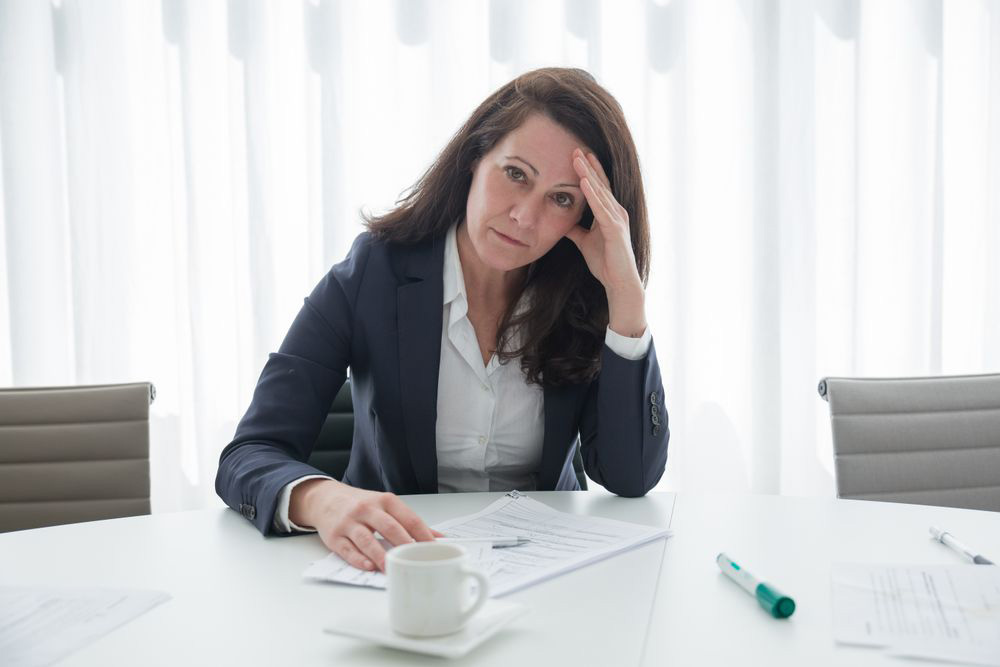
Millions of women keep showing up for work, meeting deadlines, taking care of their families, and checking things off their to-do lists even when they feel depleted. From the outside, you may appear productive and capable. You might even promise yourself that you’ll slow down as soon as you finish your current project or reach a specific milestone date.
But chronic stress isn’t exclusively in your mind. Your brain and body continually communicate through your nervous system, hormones, immune system, digestive system, and other biological processes. When you push yourself to keep going without creating opportunities to recover, physical symptoms can sometimes become warning signs that your current pace isn’t sustainable.
You’re Always Tired, Even After Resting
When you’re under prolonged stress, you may feel fatigued every morning, even if you get a full night’s sleep. Making it through the workday can require extra effort, and formerly enjoyable activities may begin to feel like additional obligations.
Some women respond by pushing themselves even harder, relying on caffeine, working longer hours, and sacrificing sleep to compensate for declining productivity. Unfortunately, these strategies can perpetuate the problem.
Fatigue can have many physical and psychological causes, so practice self-awareness. Pay attention to persistent exhaustion instead of dismissing it as a consequence of being busy.
You Feel Fatigued and Alert at the Same Time
Have you ever felt physically exhausted while your mind remains unusually alert? These scenarios may sound familiar – your thoughts run away from you, small noises startle you, your muscles remain tense even when you’re sitting still, and you feel vaguely restless without knowing why. You might have trouble falling asleep because your mind starts reviewing the day’s problems as soon as the lights go out or wake up hours before your alarm.
This “tired-but-wired” feeling can occur when your stress response remains activated even though your body needs rest. The result can become a frustrating cycle where you’re too exhausted to function at your best but too keyed up to fully relax – a common phenomenon among executives, healthcare professionals, caregivers, entrepreneurs, and other high achievers whose identities stem from their productivity.
Learning to rest and slow down without feeling guilty may require more than clearing your calendar. It often involves challenging ingrained beliefs about your self-worth.
Your Muscles Are Constantly Tense
Do a quick body scan as you read this paragraph. Are your shoulders raised? Is your jaw clenched? Are you holding tension in your neck or back?
Muscle strain is an innate physical response to stress. Your body’s fight-or-flight instinct prepares your body for action when it perceives a threat. While that reaction can be beneficial in short bursts, you may respond to chronic stress by carrying that physical readiness throughout the day without realizing it.
Over time, persistent muscle tension can contribute to headaches, jaw discomfort, neck pain, back pain, nagging digestive symptoms, and general discomfort. Achieving whole-person wellness involves paying attention to your physical and mental symptoms and taking them seriously instead of continually working through your discomfort. Intentional relaxation, stretching, yoga, massage, breathing exercises, and other forms of movement can help you become more aware of where you hold stress.
Give Your Mind and Body Room to Recover
If you’ve made reasonable changes but still feel chronically exhausted, anxious, depressed, physically tense, or unable to disengage from stress, professional support can help you identify the underlying causes.
Our approach extends beyond addressing symptoms in isolation, with personalized programs that combine restorative wellness practices with mindfulness, intentional movement, and opportunities to reconnect with nature. Stepping away from everyday demands will give you space to recognize patterns that are hard to see when you focus solely on getting through another busy day. Reach out to learn more about our women’s-only recovery center.